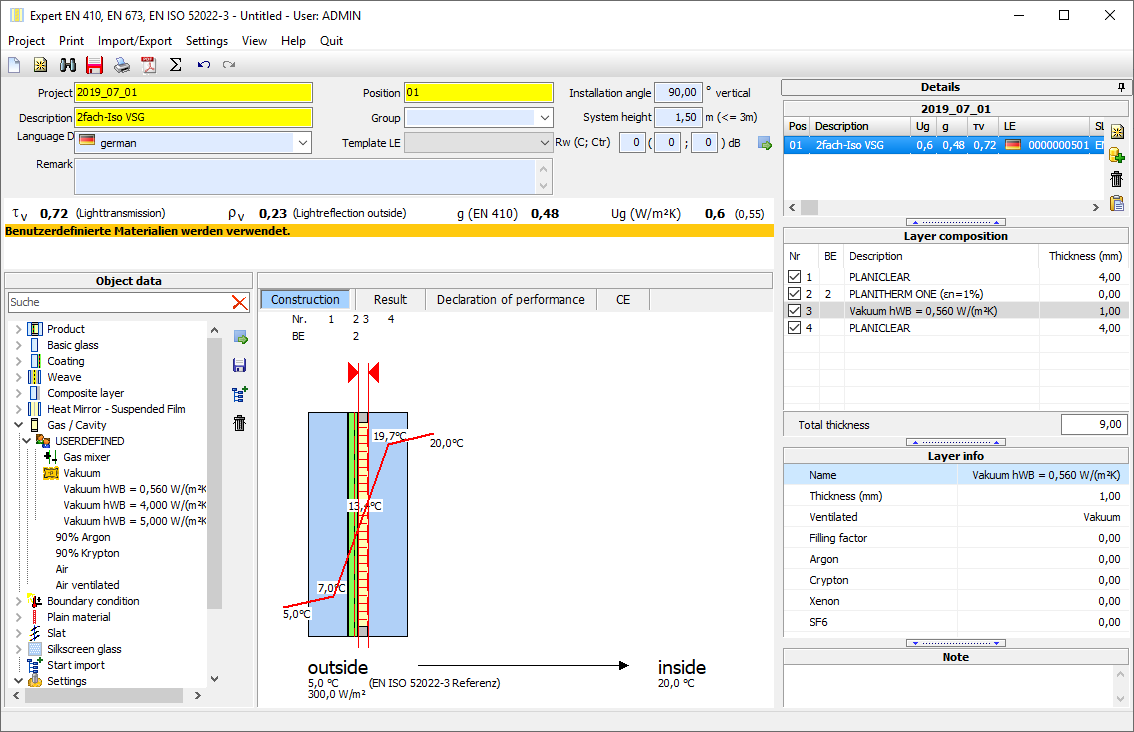
WINSLT® 15099 – Glass Performance Calculation Software for Light, Solar and Thermal Glazing Analysis
WINSLT is professional glass performance calculation software for light, solar, and thermal glazing analysis. It helps glass manufacturers, slat manufacturers, facade planners, and building physics experts work faster and with more clarity.
The software calculates key glazing values such as Ug-value, g-value, gtot-value, SHGC-value, reflection, absorption, and transmission. As a result, WINSLT supports reliable product evaluation for modern glazing systems and solar shading solutions.
Users can also import their own spectral data for coatings, glass products, and sun protection materials. In addition, climatic boundary conditions can be defined freely. Therefore, the software fits many technical applications.
Why Use Glass Performance Calculation Software?
WINSLT gives users a simple way to calculate glazing performance according to recognized standards. Instead of using several tools, they can create structures, calculate values, and prepare documents in one workflow.
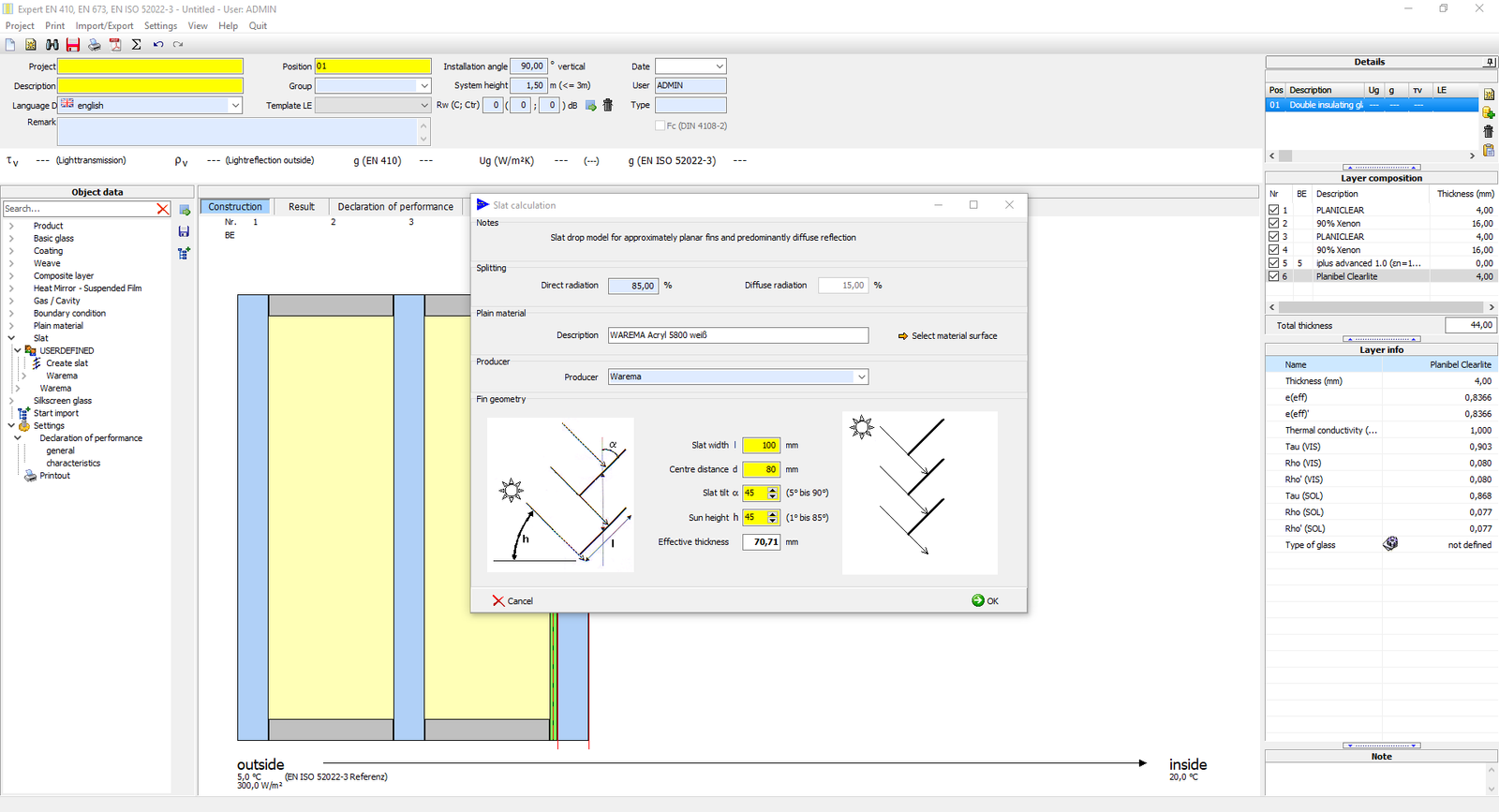
Any pane structure can be created in a short time. In addition, the lamella module supports projects with solar shading components.
Because WINSLT combines thermal, solar, and light-related calculations in one tool, it is well suited for product development, planning, and compliance work. At the same time, the workflow stays clear and practical.
Key Benefits of Glass Performance Calculation Software
- Glass performance calculation software for photometric, solar, and thermal glazing analysis.
- Calculates Ug-value, g-value, gtot-value, SHGC-value, reflection, absorption, and transmission.
- Supports glazing in combination with solar shading.
- Imports spectral data for coatings, glass products, and sun protection materials.
- Allows freely selectable climatic boundary conditions.
- Calculates any pane structure.
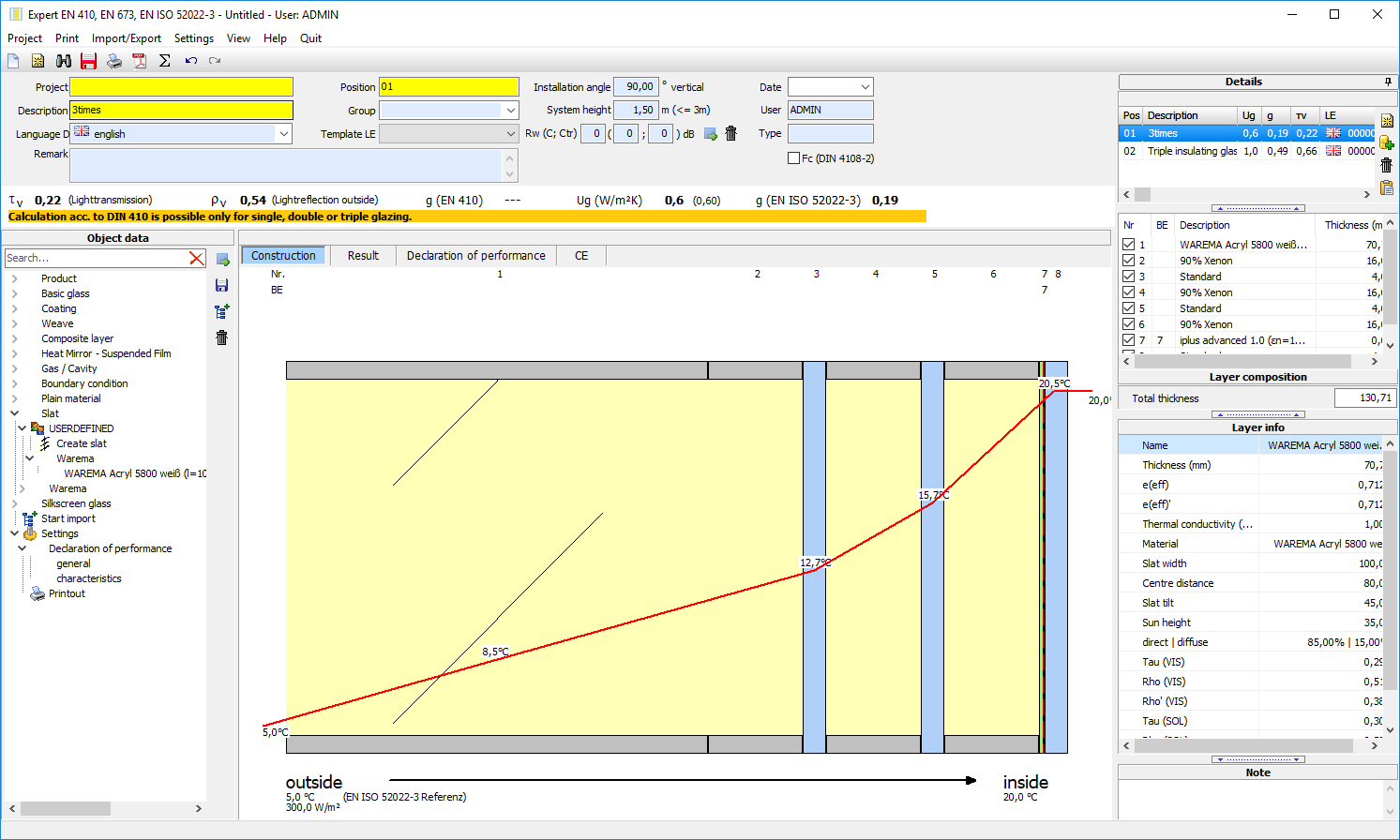
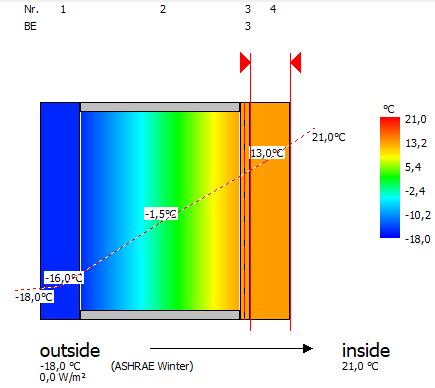
- Shows the temperature curve across the cross-section.
- Creates declarations of performance and CE marking in many language versions.
- Uses recognized standards for glazing performance calculations.
- Provides internationally recognized results.
Standards in WINSLT
WINSLT supports standard-based calculations for important thermal, solar, and optical values. Users can build glazing structures quickly and then calculate each value according to the relevant standard.
For example, EN ISO 673 is used for the Ug-value. Likewise, EN 410 covers g-value, reflection, absorption, and transmission.
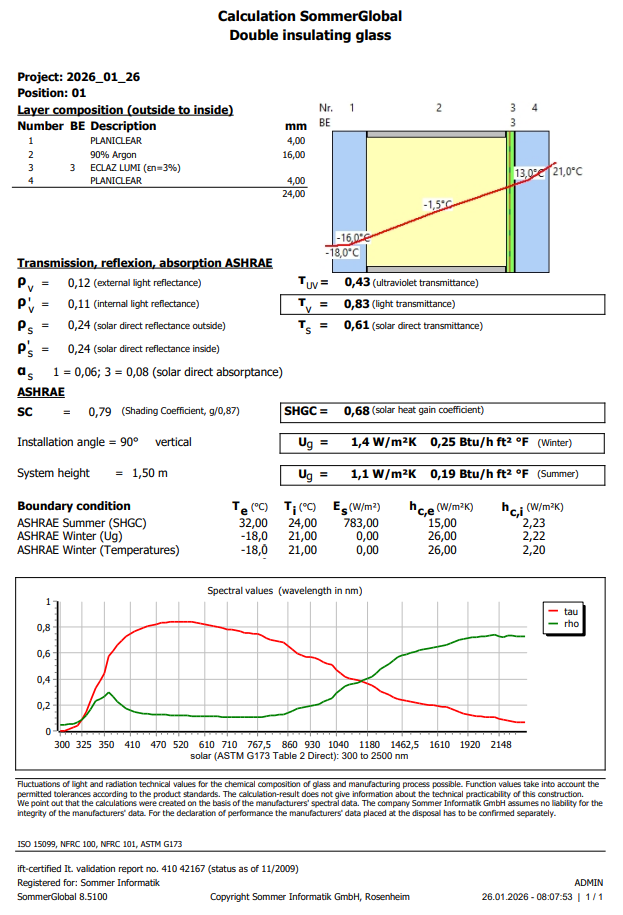
EN ISO 52022-3 is used for the gtot-value. In contrast, ISO 15099 / ASHRAE is used for Ug-value, SHGC-value, reflection, absorption, and transmission.
The ift-Rosenheim-certified software also creates a declaration of performance and CE labelling for glazing. Therefore, WINSLT is useful for manufacturers who need both technical calculations and compliance documents.
Features of Glass Performance Calculation Software
- Extensive database with products from international glass and sun shading manufacturers.
- Import of own spectral data.
- Boundary conditions according to EN ISO 52022-3, ISO 15099 / ASHRAE, or freely definable settings.
- Calculation of arbitrary pane structures.
- Display of the temperature curve across the cross-section.
- Calculation of reflection, transmission, and absorption.
- Preparation of a declaration of performance and CE marking for glass structures in many language versions.
Declaration of Performance and CE Marking
WINSLT does more than calculate glazing values. After the calculation, the software transfers the performance data directly into the declaration of performance and prepares it for print.
This reduces manual work and helps keep technical values consistent across product documents. As a result, manufacturers save time and improve process reliability.
Who WINSLT Is For
WINSLT is suitable for many technical users. For example, it supports manufacturers, planners, consultants, and engineering teams that need reliable glazing data.
- Glass manufacturers.
- Slat and sun protection manufacturers.
- Facade planners and consultants.
- Building physics engineers.
- Technical teams that need glazing performance data and CE documentation.